The Hitchhikers Guide To The Record Library
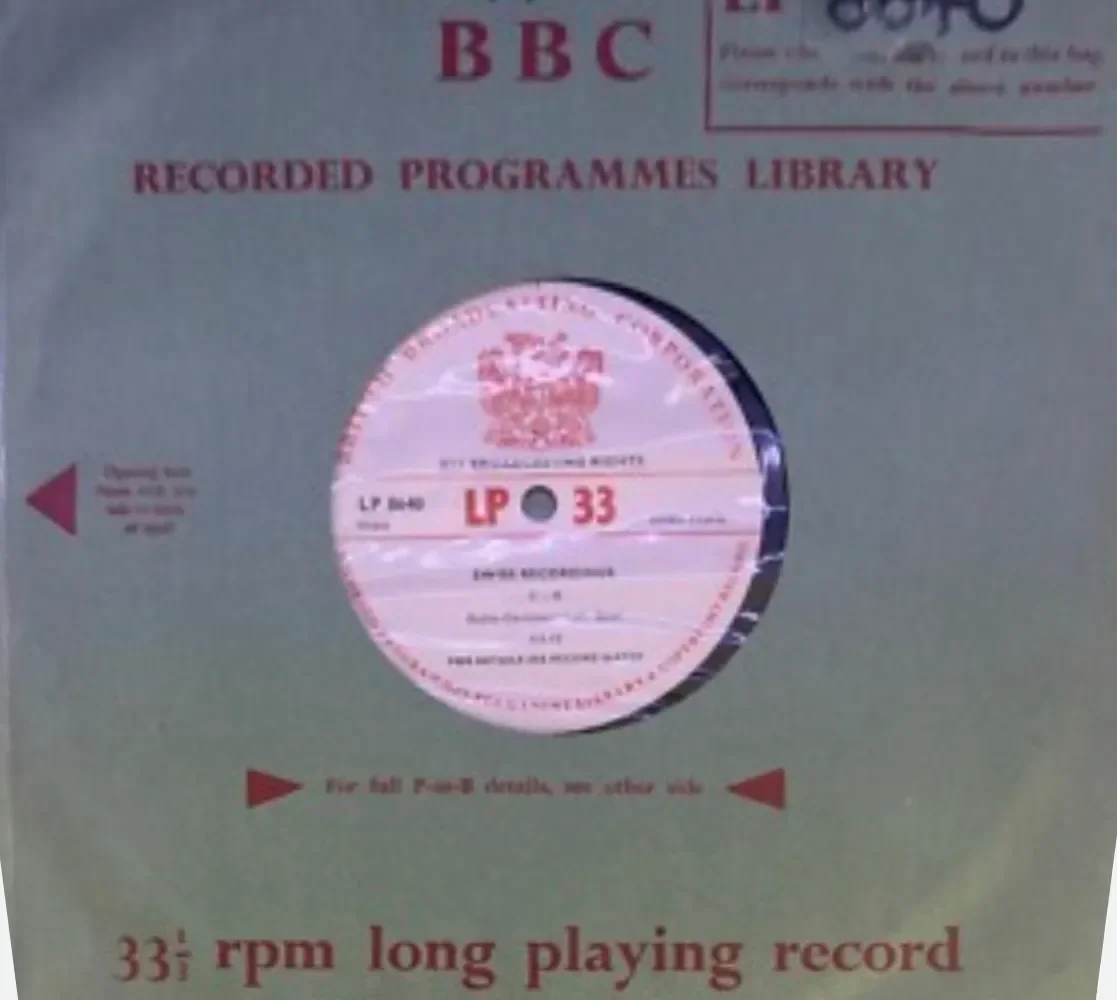
“You just ring them up, ask them for whatever record you want… and they send it you,” said Stan from the sports desk.
“Anything?”
“Anything.”
These were the 1980s. Spotify hadn’t even been thought of, let alone invented and yet, here I was, given access to one of the world’s biggest and best record libraries just because I happened to work in a Local Radio station in Middlesbrough.
At first, I picked obscure records that were no longer available.
“Hello, library.”
“Hi, my name’s Nick Garnett, I’m a presenter at Radio Cleveland and I need a copy of John Cale’s Paris 1919.”
“No problem,” said the voice on the other end of the phone. “I’ll get it up to you tomorrow.”
This was my idea of heaven. I was able to listen to all sorts of music that I had forgotten existed. Every rare Beatles recording I could imagine, every 12” remix I couldn’t get hold of, was swiftly despatched to me, sneakily copied onto cassette and then posted back down to London.
And then, I had a brainwave.
“Hi, library. It’s Nick Garnett again. Do you keep copies of radio programmes that have been broadcast? I’m after The Hitchhiker’s Guide to The Galaxy.”
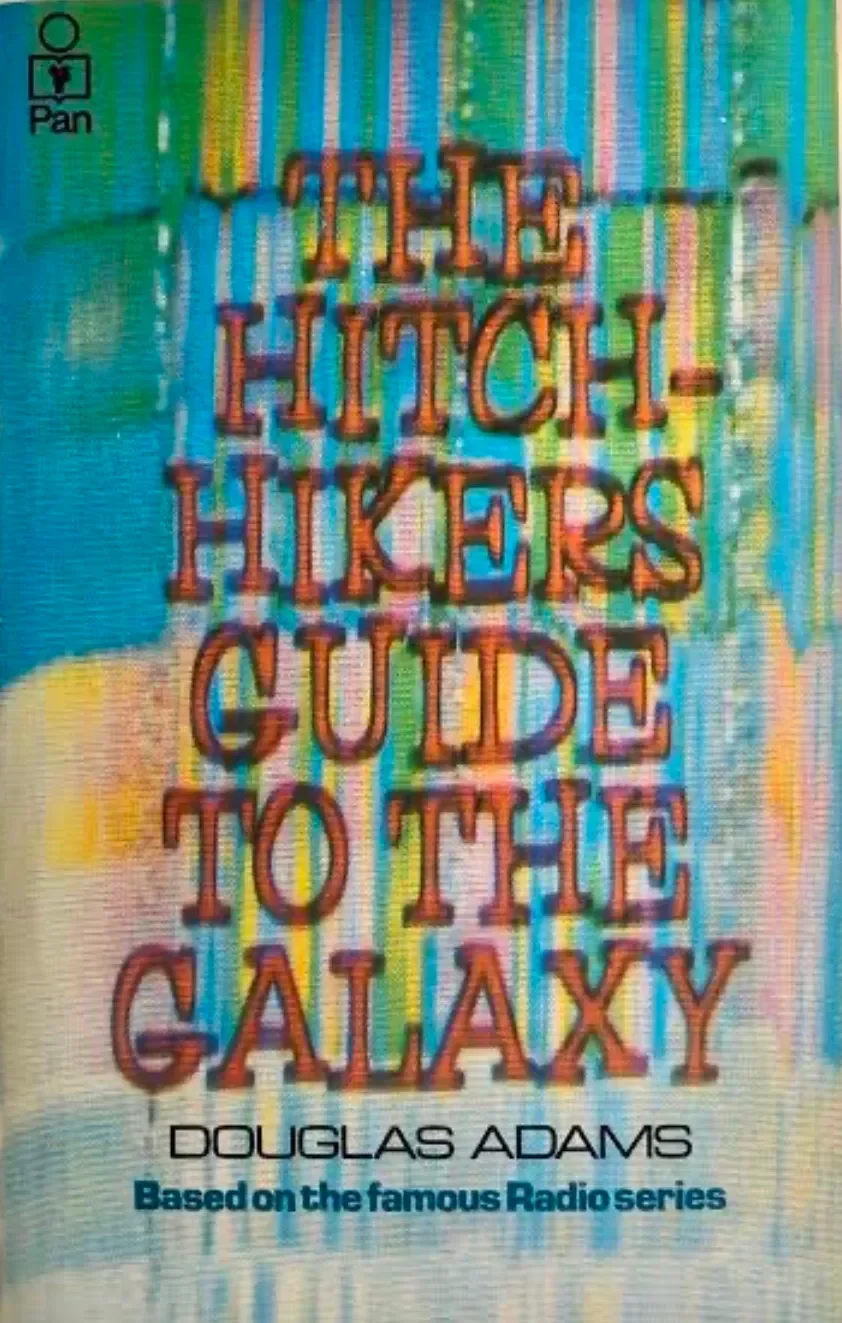
If you’ve ever heard the original BBC Radio series, you’ll know what an amazing piece of drama it is. There was simply no need to turn it into a TV show or a film, the radio version was perfect. I’d heard it when it was originally broadcast but it had never been repeated and you couldn’t buy copies.
“No problem. It’ll be with you tomorrow.”
The next day, Jacqui on reception Tannoy’d me to come through - there was a delivery waiting. Sitting on the floor was a huge box of reel to reel tapes. There were at least half a dozen large spools. I took them through to the office and rubbed my hands with glee. Pulling one out, I stuck it on the reel to reel editing machine next to my desk, laced up the tape, plugged my headphones in and sat back to listen to episode one of Douglas Adams’ masterpiece. I watched the tape go round and round and then, a few seconds into it, I clicked the stop button and sat back, shaking slightly.
Something was wrong. Something was very wrong.
There was white editing tape gluing two sections together. I rolled it back to the join. It was just after the short introduction music (played by, fact fans, The Eagles) and just before the narrator’s voice came in. I fast forwarded the tape - there were more edits and each one coincided with changes of scene or music. I was starting to feel slightly sick because sitting on my reel to reel machine with a full cup of coffee perched precariously on the metal frame was the actual original recording of the Hitchhiker’s Guide To The Galaxy. It was one of the most important radio programmes the BBC had ever made and I had the original tape. Not a copy. The original. It was priceless, the radio equivalent of ordering a print of the Mona Lisa and getting the real one sent instead. I couldn’t work out if I was cold or clammy and I also couldn’t cope with this level of responsibility.
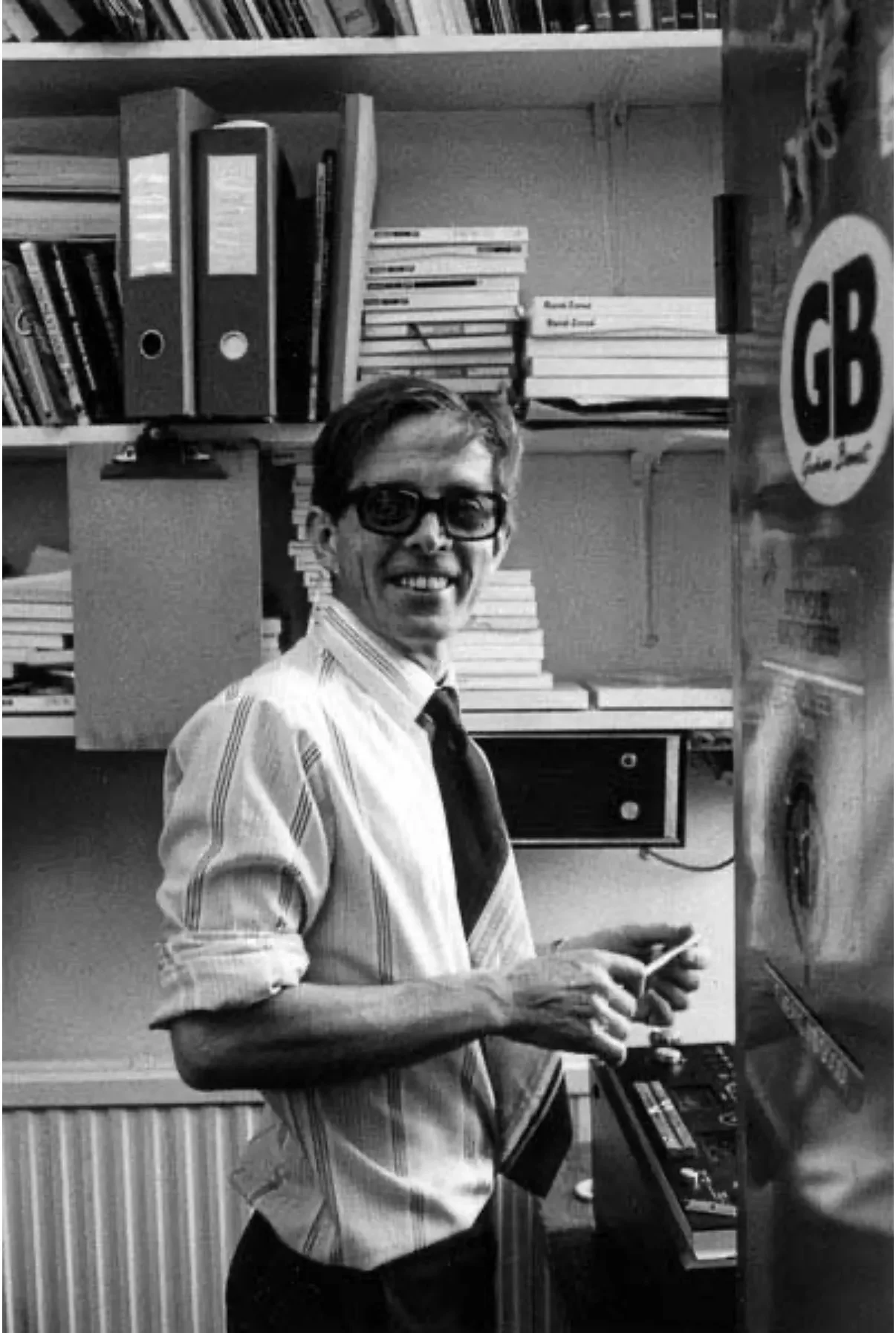
One of the producers, Peter Hedley, saw me trembling and came over to see what was up. I explained what I was looking at. He seemed a bit perplexed, not understanding how precious these tapes were.
“Peter - this is probably the most iconic broadcast of this generation. This is Isaac Asimov for the 1980s.” I told him. “You can’t really tell me you’ve managed to miss one of the most important radio dramas ever made - this is Dylan Thomas for a new generation.”
A couple of the other people in the office were listening in by now as I started to rant about Peter being out of touch, unable to spot a cultural icon at forty paces and how did he think he was going to be able to produce a news quiz when he had no idea what The Hitchhiker’s Guide To The Galaxy was.
He walked away, his tail between his legs as I packed up the box, took it back out to reception and sent it back to London the very same day, massively relieved to be free of the risk of wrecking it.
A couple of days later, I was at home when the phone rang. A well-spoken, middle aged voice.
“Hello, it’s the BBC library services. Sorry to ring you at home but we were expecting a shipment of The Hitchhiker’s Guide To The Galaxy and it hasn’t arrived yet…”
My skin went cold. It should have arrived the next morning.
“Have you sent it back?” he went on.
“Yes.. if it isn’t with you I’m sure it’s just got delayed a bit,” I said. “Lucky there’s no rush, really..”
“But there is,” the voice said. “We need it for the rebroadcast.”
My heart stopped.
“The what?”
“The new book’s coming out so we’re broadcasting the whole series again. The tapes you had were the originals. That’s why we need them back.”
If there is there anything worse than your skin going cold and then your heart stopping, then that’s what I was going through.
“You did send it through the high security courier, didn’t you?”
I lost the ability to speak.
“I didn’t know there was a high security courier.” I wanted to say but all that came out was a squeak.
“I can’t tell you what will happen if they’ve been lost or damaged. You know you’re liable for any losses, don’t you?“
My mind was racing now.. I was trying to work out the financial cost involved. Would they have to get the original cast back together to re-record it?
“I can read the relevant section of the loan agreement if you’d like,” he said. The voice had now mysteriously lost its Received Pronunciation tone and was starting to take on a slightly North East twang. “Paragraph three clearly states that you are a gullible idiot and revenge is sweet. Don’t ever make me look like a fool in front of the office again, lad!”
The phone went dead and so, almost, did I.
I was the laughing stock of the office for weeks.
I still listen to the programme every couple of years and every time I hear the introduction music playing, I think of Peter and his ability to wind me up.