
How We Can Help You
Crisis Response Training
It doesn’t get more real than this.
Using working broadcast journalists and camera crews, we place you inside a dynamic, fast-moving environment, updated in real-time across multiple platforms where every decision you make changes how things develop.
It’s the closest you can get to managing a real crisis but within a safe and secure environment allowing your team to experience, practice and improve your response should a real event develop.
Click on the button to be taken to the Crisis Response microsite.
Media Skills
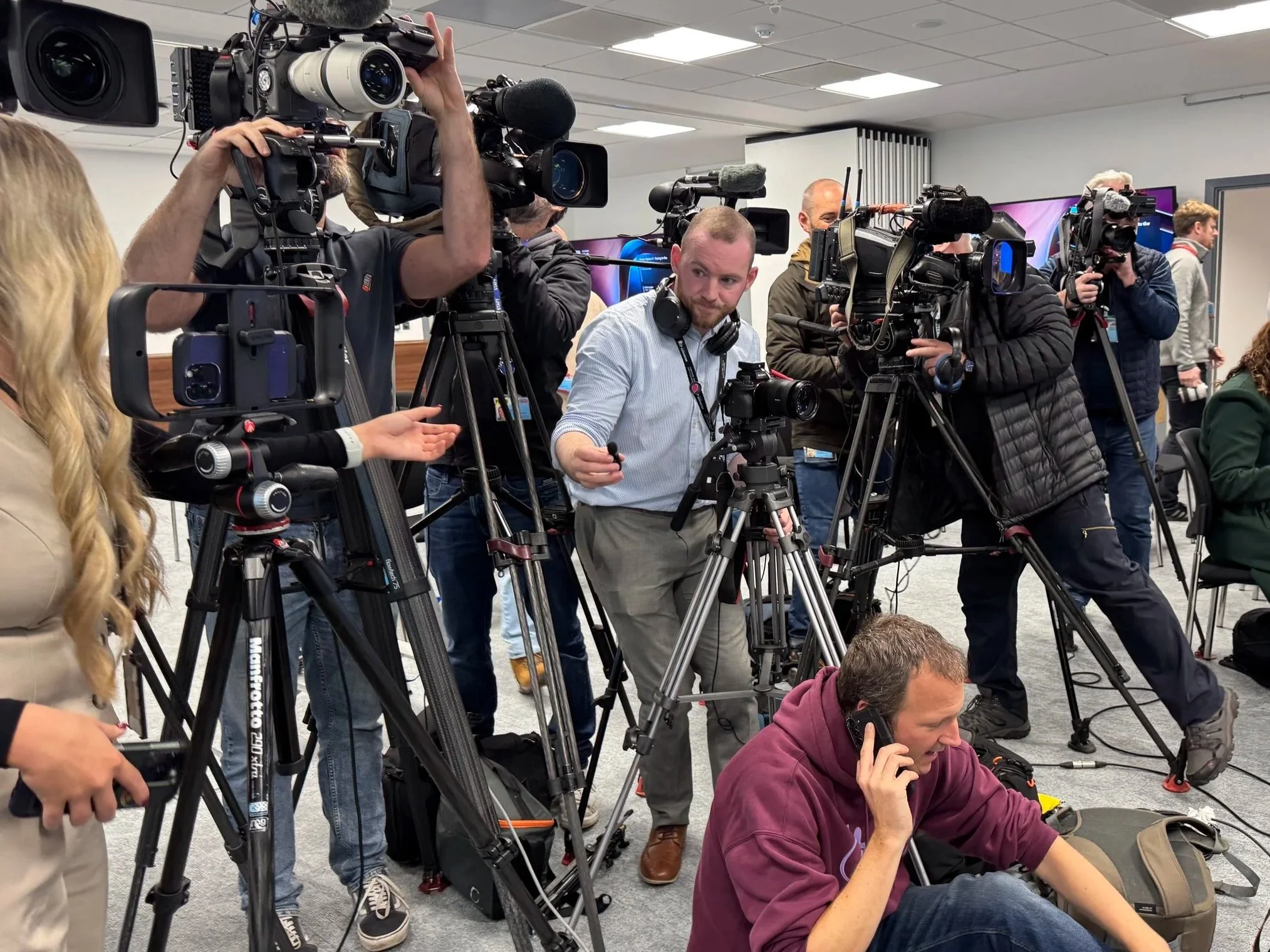
The media doesn’t work the way people think it does.
And most companies offering training don’t know how it works now - they’ve spent too many long lunches at The Ivy and not enough time at the coalface.
We’ve spent decades working in the field and in newsrooms at the BBC and in commercial broadcasting. We’re reporters - we ask the questions, report live and create the packages on the national TV bulletins. We know which ones land.
That’s what this training is based on.
There are no scripts.
There is no jargon.
And there isn’t any theory that falls apart under pressure.
Just a clear understanding of how the media and interviews really work - and how to handle them properly.
Click on the button for more details about our Media Skills courses.
Camera & Mobile Skills
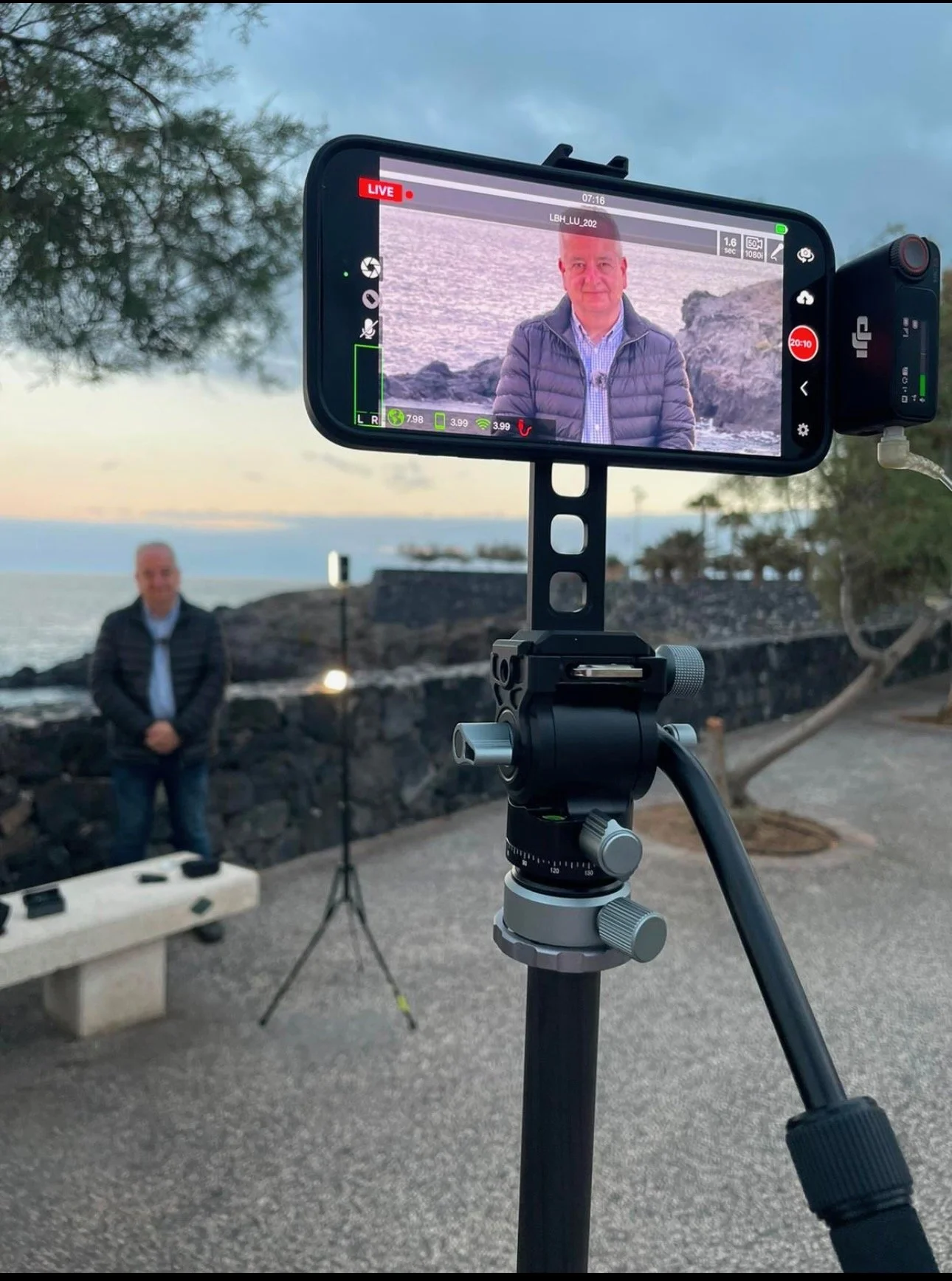
For 90% of us, 90% of the time, the only camera we need to know how to use is our mobile phone. Unfortunately only 30% of us do.
Nick Garnett, who runs MediaMouth, is the original Mobile Journalist.
He was the first reporter to broadcast live from his phone on both radio and TV.
His pioneering work has become the industry standard across the world but doing it properly is the difference between something that looks like a home movie and something that makes it to air.
And that’s where we come in.
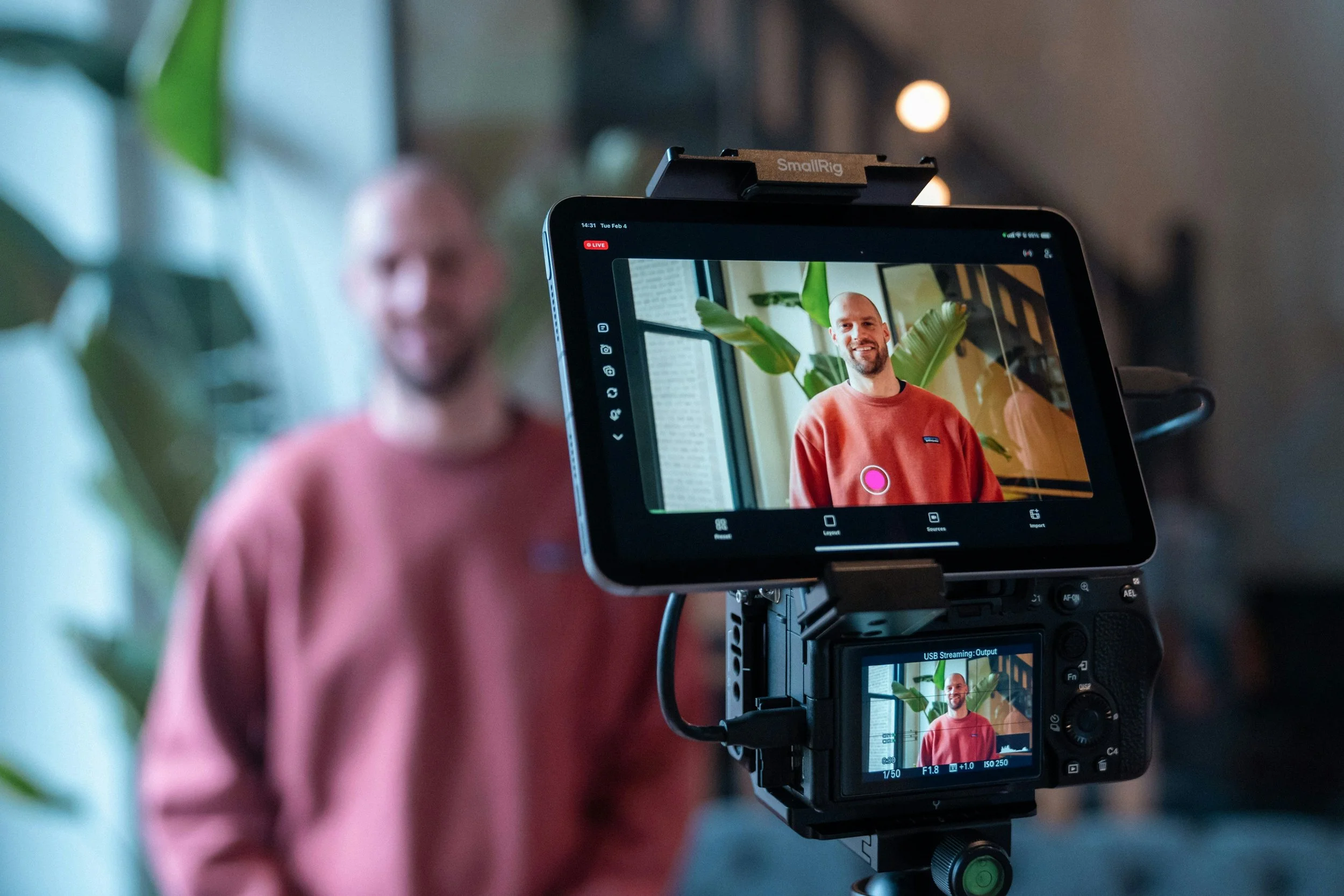
You’ll learn how to shoot properly on a phone, how to record clean audio, how to light an interview properly and how to get results that are genuinely usable.
Click on the button below to go direct to our microsite.
How To Look Good
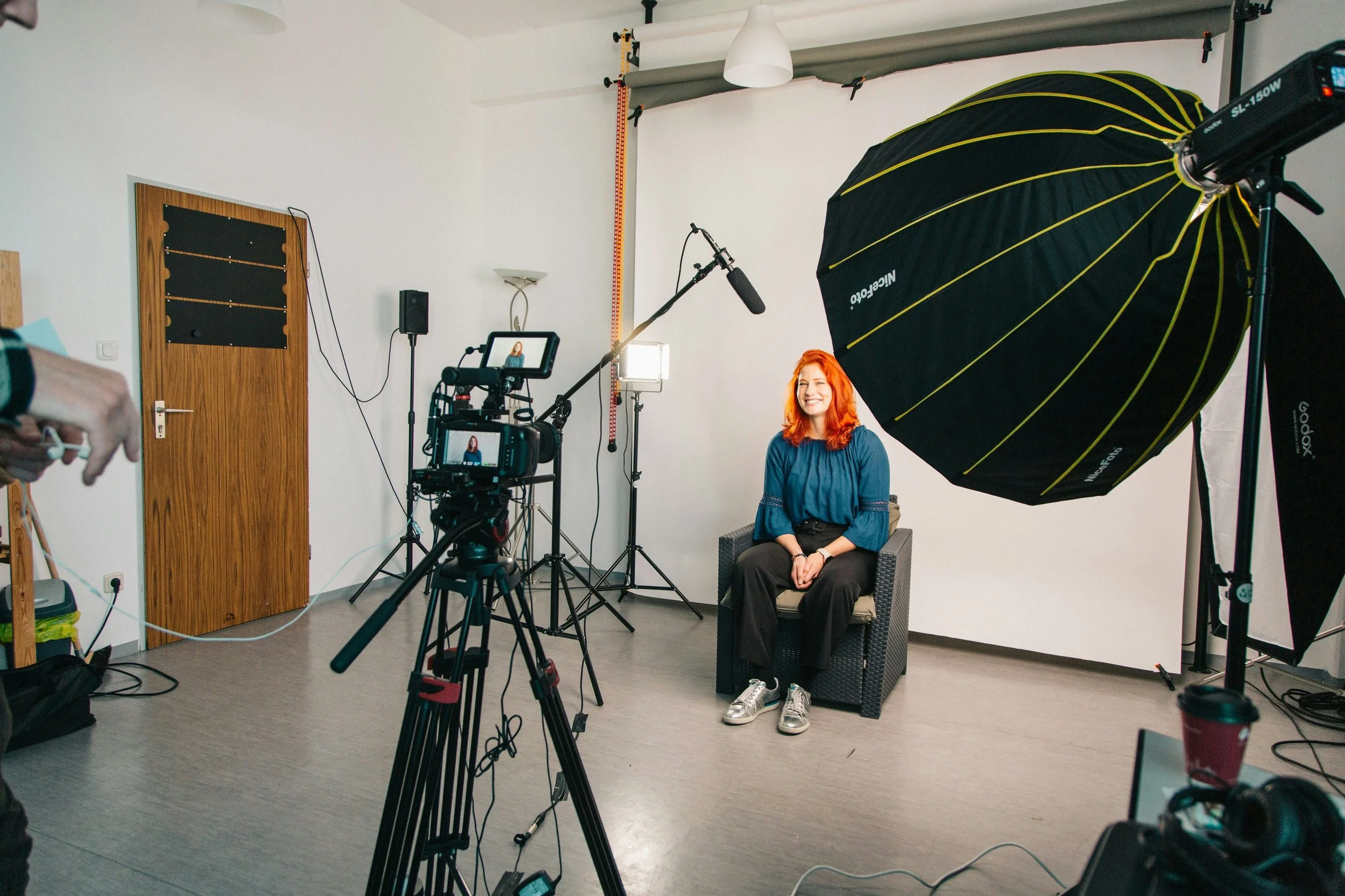
Before you even open your mouth, viewers have already made up their minds about you. So make sure they get the right impression.
It’s one of the most important parts about appearing on TV or a podcast but how you look is one of the easiest things to forget to think about.
You have to know how to appear on camera - from the clothes you pick to where and how you look at the device in front of you.
Make the right impression.
We’ve got decades of experience in front of camera. We know what works. And what doesn’t. Click on the link below to be taken to our How To Look Good pages.
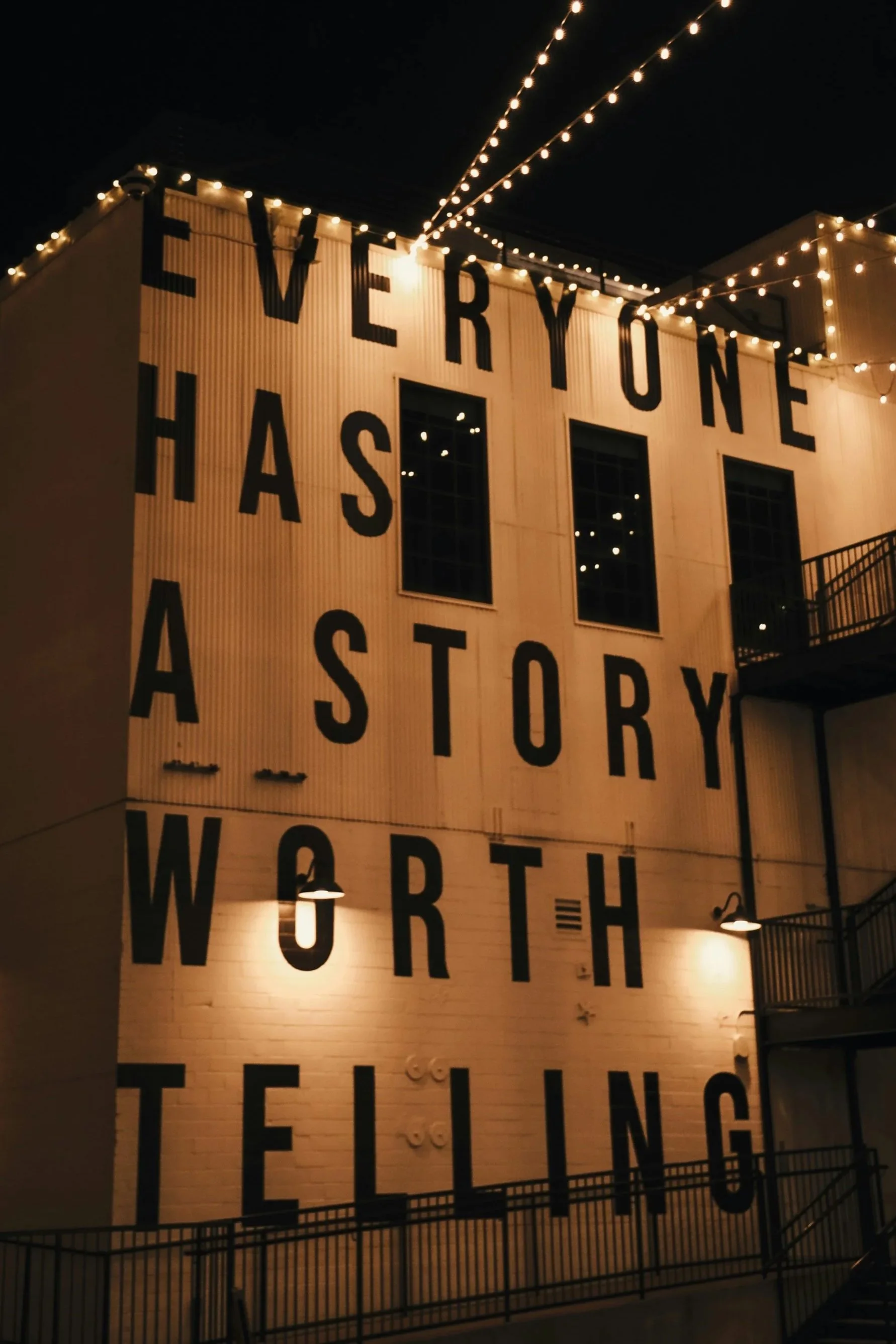
Storytelling
The trick is to keep them listening, reading and watching.
It’s not rocket science: if what you say isn’t interesting, nobody will stick around to listen or watch.
But using an effective narrative structure isn’t difficult. It just involves you thinking about what you say and the order in which you say it.
Trust us, in our careers at the world’s largest broadcaster, sometimes we’ve had to work really hard to make things interesting but it comes down to one simple thing:
If you’re interested in what you’re talking about, other people will be too.
It’s about creating an engaging story, hooking people in with your own experience, explaining why your proposition, your product, your point of view, is important to your audience.
Click on the button below to be taken to the storytelling microsite.
Get In Touch
If you're interested in working with us, complete the form with a few details about your project. We'll review your message and get back to you within 48 hours.