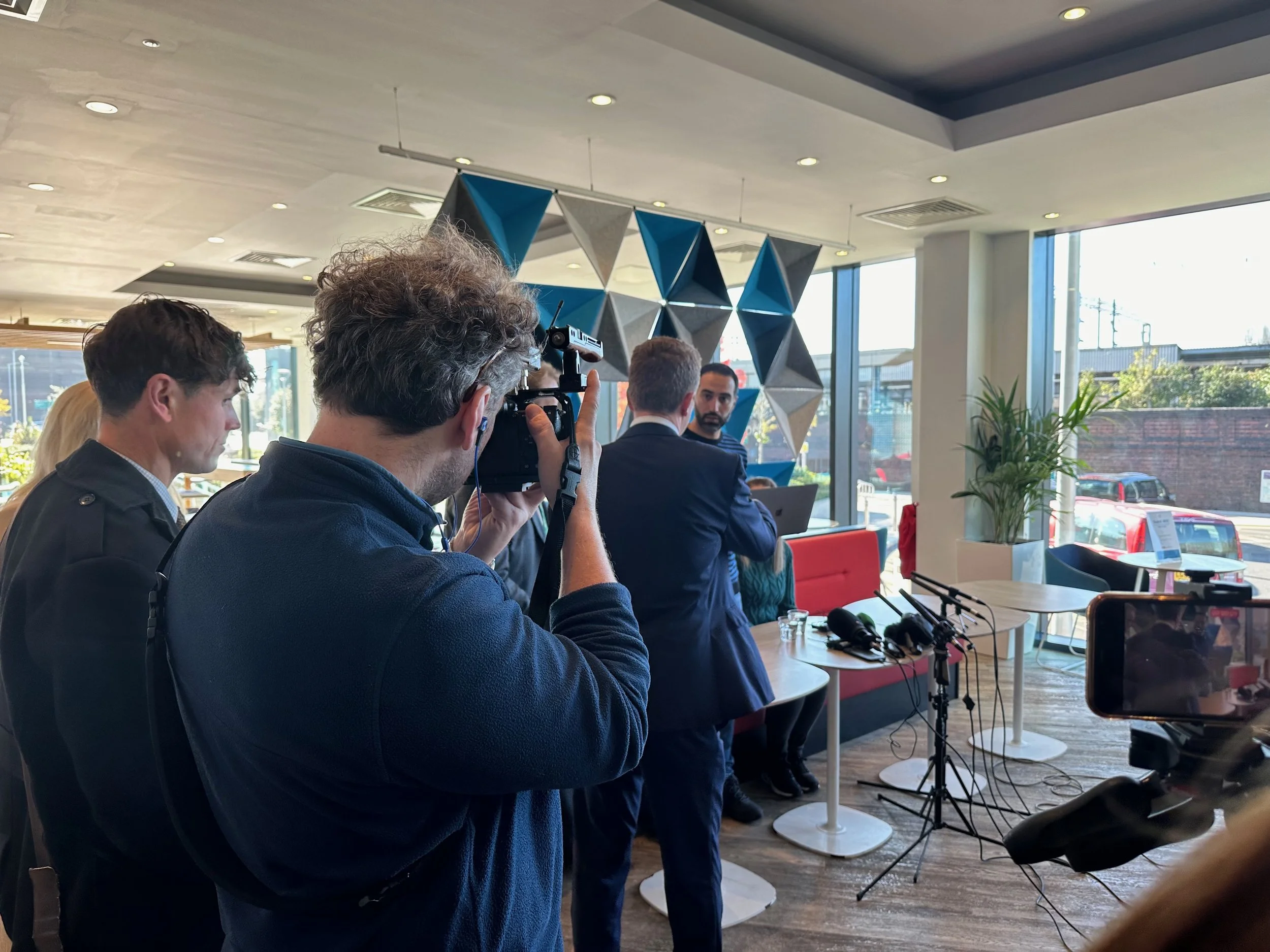
MEDIA SKILLS
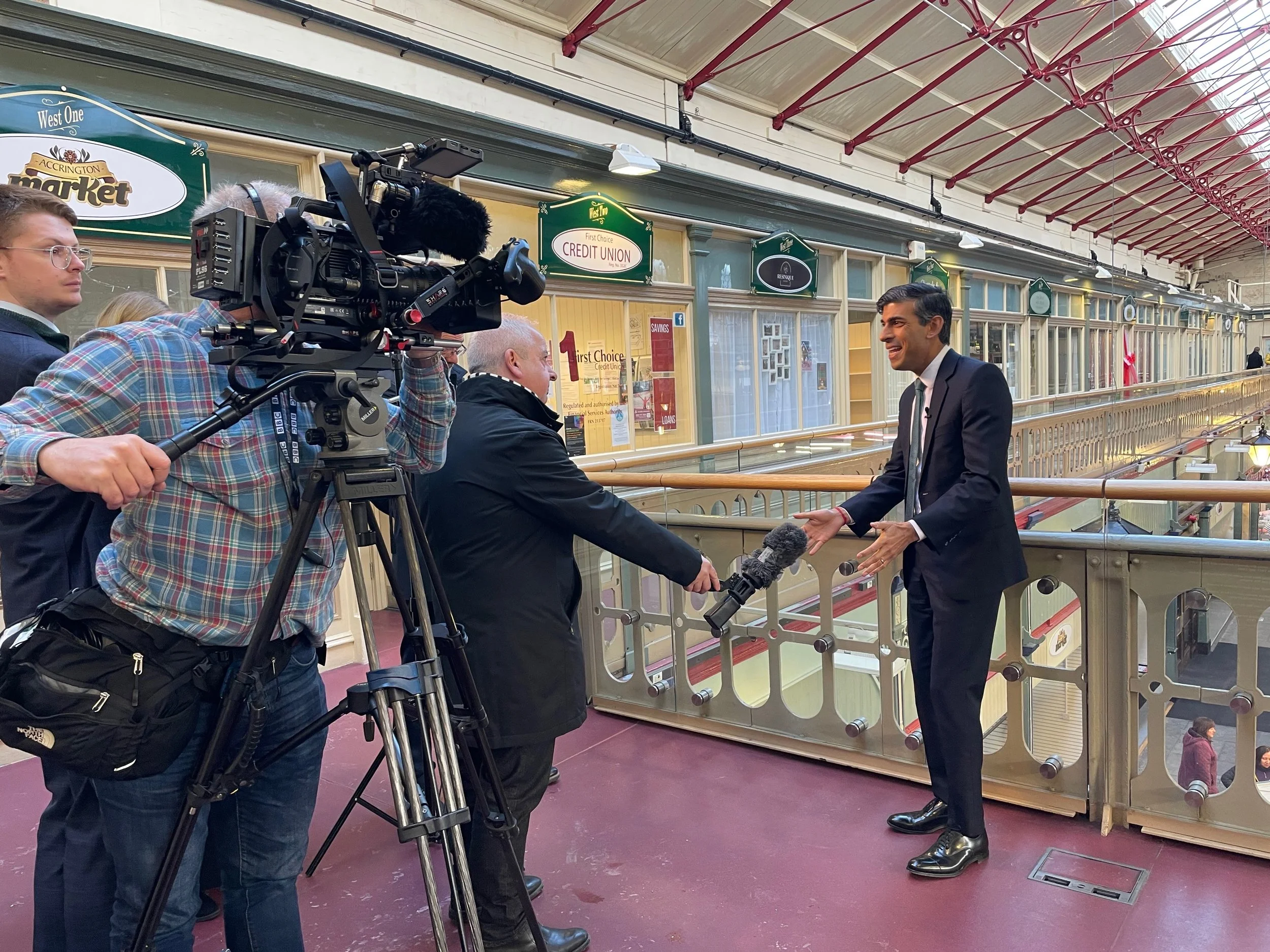
Sometimes there’s only one chance to get it right
You don’t get time to prepare the perfect answer. You get asked a difficult question - and whatever you say next is the story.
What we do changes the narrative
Most media training is stuck in the past. You’re told to “ABC: Acknowledge, Bridge and Communicate.”
What that really means is: Never answer a question, dress up your response in jargon and hope nobody notices.
But readers, listeners and viewers aren’t stupid. They can spot Avoiding, Blurring and Conning a mile off - and when they do your credibility is gone.
These days:
Evasion is obvious
Clips travel fast
Audiences decide quickly who they trust
If something’s gone wrong, people expect you to accept it has - and explain what happens next.
Media Skills
What You Learn
Clear, defensible communication under pressure:
How to answer a question directly
How to admit there’s been a problem without losing authority
How to explain decisions in plain English
How to stay credible when you don’t have all the answers
No tricks. No scripts. No hiding places.
If you do just one thing:
BE HONEST
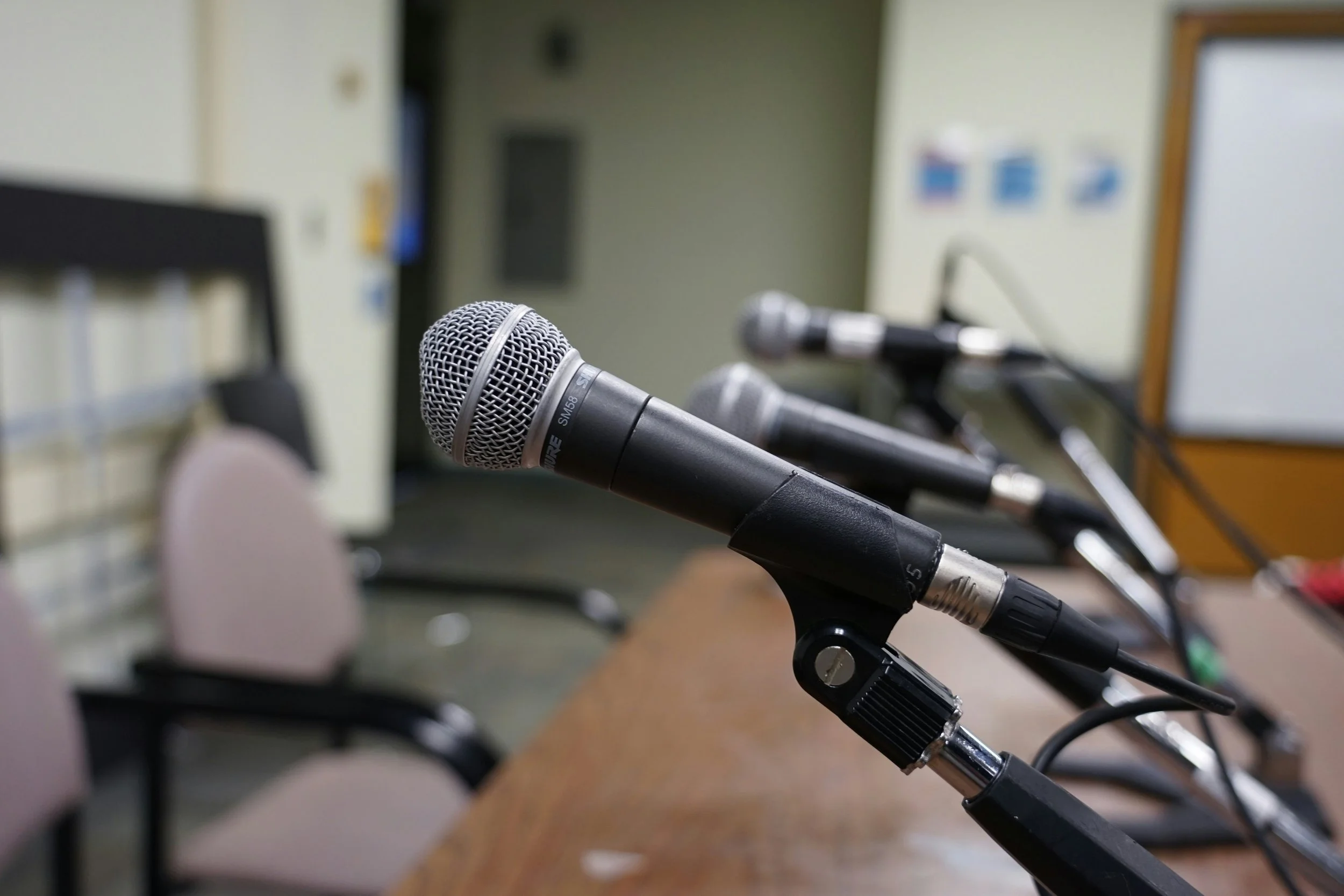
Understanding The Media
Before the camera goes on, we break down what you’re walking into.
How interviews really work now
How journalists prepare for interviews (you’ll be surprised)
Why questions are sharper and less forgiving
How a single clip can define a story
Where reputational damage actually happens
This is about recognising the environment you’re working in - not guessing it.
The Practical Work

The only way to get better is to test yourself under pressure. We’ve interviewed everyone from Prime Ministers to Premier League footballers to Hollywood stars. We’ll lead you through a host of different interview styles.
TV and radio interviews
Live, Recorded and Down-The-Line
Interruption-led questioning
Realistic crisis scenarios
It will feel uncomfortable - because that’s the point.
Everything is recorded and reviewed:
What you said
How it sounded
What an audience would take from it
And we’ll help you improve, quickly.
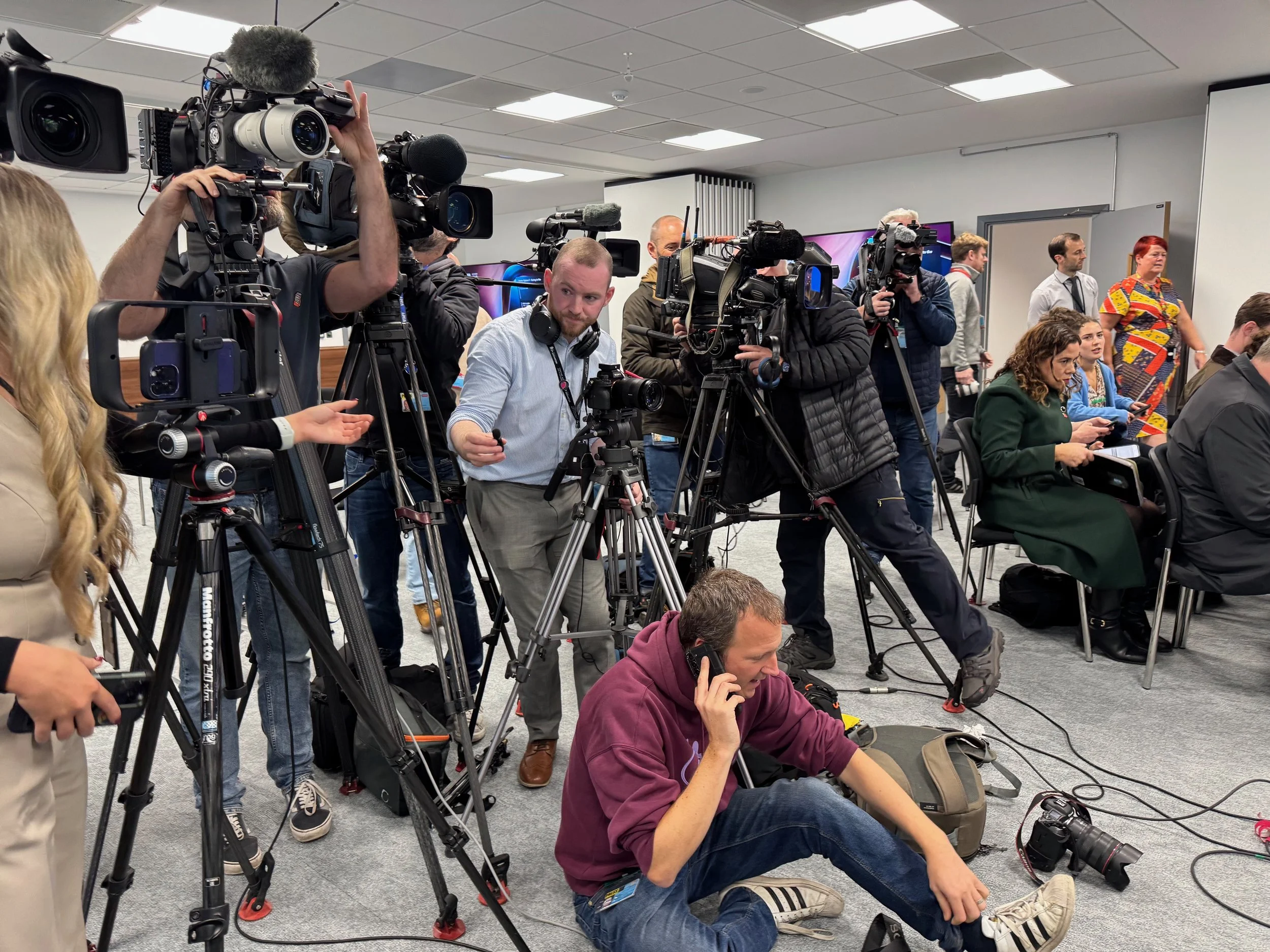
Crisis Focused Training
When something goes wrong, your response needs to change.
You’ll need to:
Know what the worst question might be
Speak before you have every answer
Avoid speculation without sounding evasive
Show control without sounding detached
Be honest without making things worse
We train you for that moment.
Who It’s For
Senior leaders
Spokespeople
Communications teams
Anyone who may have to explain something difficult, publicly
If you’re responsible for the message, you’re responsible for how it lands.
Outcomes
You won’t leave with a script but you’ll leave knowing:
How to think when the pressure is on
How to answer without sidestepping
How to sound like someone worth listening to
“If you just want polished answers, there are easier courses but if you want answers that stand up, start here.”