

“Congratulations - your crisis plan looks great on paper.”
But what’s going to happen when reality strikes?
Mediamouth helps you prepare for the moments when things go wrong.
We deliver practical media skills and bespoke crisis management training using state-of-the-art live simulations, drawing on more than 40 years of experience at the heart of journalism and broadcasting.
Our exercises go far beyond conventional training. We create realistic, fast-moving situations that challenge your people to make decisions, communicate and respond under pressure.
It’s one thing to have a crisis plan. It’s another to discover whether it actually works.
And the truth is the only time you’ll find out is when it’s all over social media.
Because the biggest danger you face isn’t from journalists. It’s what happens before they even get involved because the world has changed.
News breaks everywhere, all the time. It doesn’t wait for the Six o’Clock News or the morning papers.
Stories spread before the facts are established. Public opinion forms in minutes and lasts for ever.
And the traditional rules of crisis communications haven’t caught up.
You can spend a day discussing hypothetical disasters in a conference room with a pot of fresh coffee or you can find out what happens when a crisis starts unfolding in front of you.

The experience
We don’t do crisis presentations.
We don’t do comfortable, predictable interview scenarios.
We create a live, bespoke crisis experience that puts your team to the test.
It’s realistic. It’s unpredictable. And it’s built around the risks your organisation could actually face.
Your team has to make decisions, communicate and respond as events unfold. The situation develops. The pressure builds.
And what happens next depends on how your team responds.
This isn’t about talking through a crisis. It’s about experiencing one.
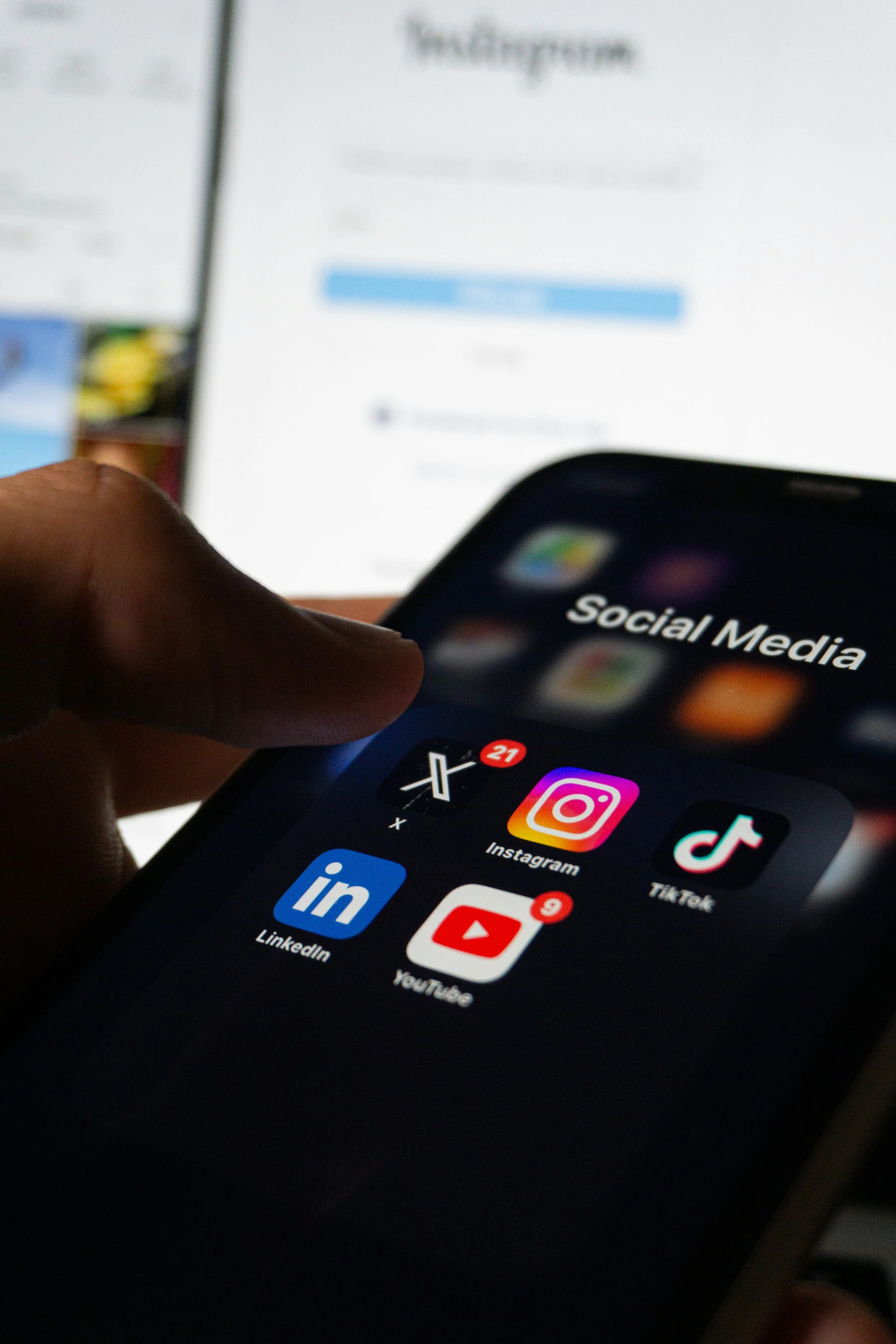
Imagine trying to manage a developing situation when the facts are incomplete, information is coming from different directions and everyone seems to want an answer.
Your team has to make decisions while the world outside is making up its mind.
That’s the reality of a modern media crisis.
No two simulations are ever the same.
It will be designed to challenge assumptions, test decision-making and expose the gap between what your organisation thinks it would do - and what actually happens under pressure.
When the exercise starts, it’ll take you by surprise.
Information starts arriving.
Social media lights up.
There are videos, posts and messages.
And just when you think you know what’s happening…
The story changes again.
Journalists see the posts.
Stakeholders get curious.
The phones start ringing.
And suddenly the moment when you could sit down, agree a strategy, write a statement and work out what to do has gone.
Every decision you make changes what happens next.
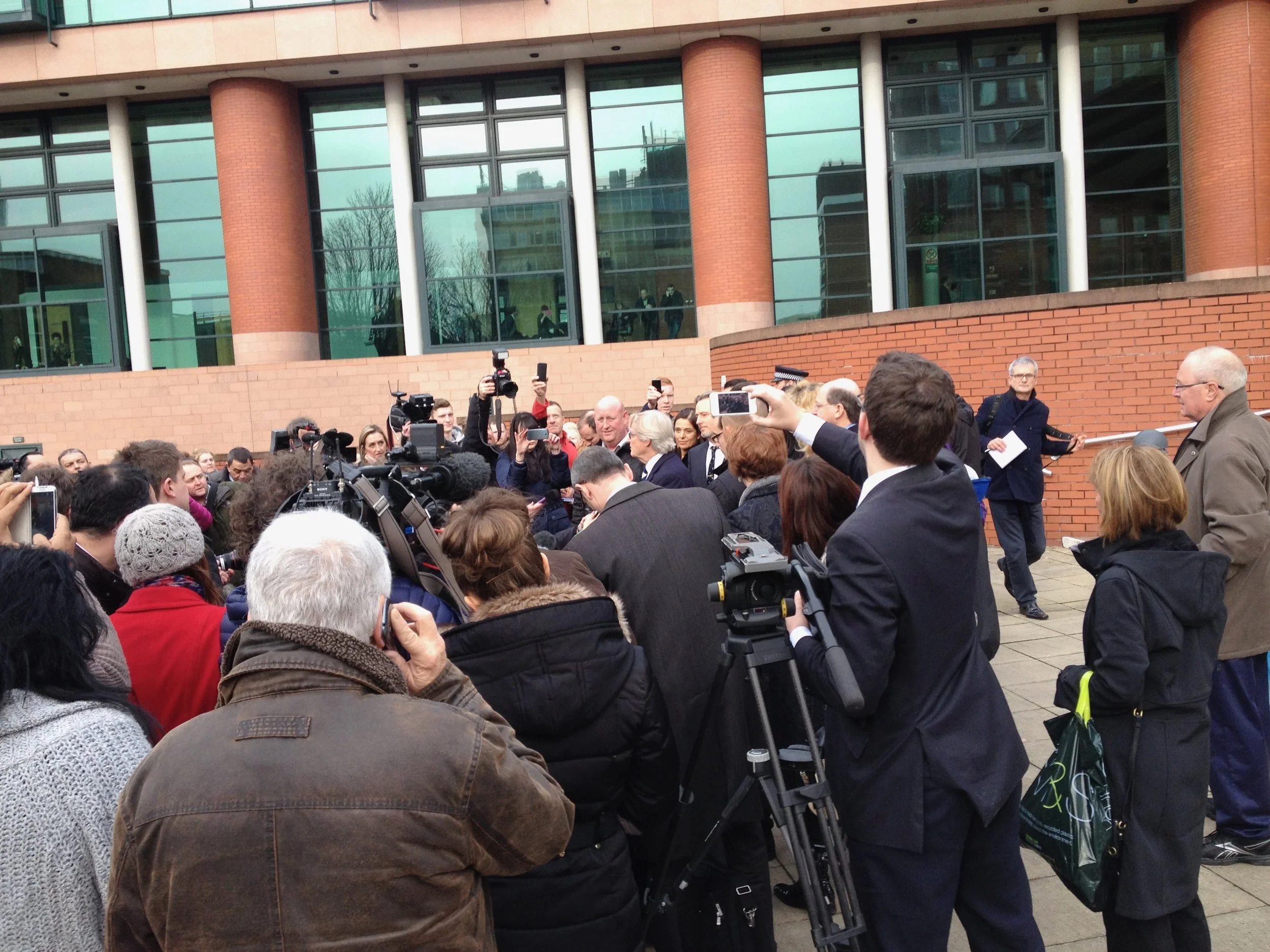
PR can wait. People can’t.
Here’s what old-fashioned PR and media training companies won’t tell you - because they’re scared to:
The worst crises begin much closer to home than many organisations would like to admit:
The chances are it was you that dropped the ball.
The chances are it was you who stopped doing the right thing.
It might be a single bad decision or a failure of leadership, a broken process or a problem nobody wanted to confront.
No amount of clever messaging can make that disappear.
Action is the only answer.
Fix the problem. Look after the people affected. Take responsibility where it’s due.
And communicate honestly about what you’re doing to put things right.
You can’t “PR” your way out of a crisis you created.

A little free advice
Before you worry about journalists, ask yourself a few uncomfortable questions.
What is the worst thing that could realistically happen to your organisation?
Have you actually discussed it, or just filed it away in a “risk register”?
Who makes the decisions when things go wrong?
How quickly can the right information reach the right people?
What happens when you don’t have all the answers?
Who is prepared to speak publicly (and can they do it under pressure)?
A plan is only as good as the people who have to put it into action.
But the best advice we can give you is the most simple:
Just be honest.
This is a learning programme that’s built around your world - not somebody else’s textbook.
As journalists, we’ve been involved in hundreds of crisis moments affecting businesses, health authorities, the police, government, the armed forces, charities, local authorities and major public organisations.
We’ve seen what happens when things go wrong, when the pressure builds and when organisations have to answer difficult questions in public.
We’ve reported from disasters, conflict zones, emergencies and moments when the consequences of decisions were very real.
We’ve seen the story from the other side of the microphone.
Now we use that experience to help people like you prepare for the moments they’d rather never face.
Every simulation is custom-built around your organisation, your industry and the things that keep you awake at night.
It’s not an off-the-shelf exercise. It’s a realistic challenge designed to reveal how your people and your organisation respond when the pressure is on.
It will be exhausting…
and revealing.
There’s a world of difference between knowing what you should do and discovering what you actually do when things start going wrong.
Under pressure, people behave differently. Decisions get delayed. Information gets lost. Responsibilities become blurred. And the most carefully constructed plans can come apart surprisingly quickly.
That’s where the real value lies.
This is something that is almost impossible to recreate in a board room:
The moment when a crisis stops being a plan and becomes a reality.
Crisis? What Crisis?
By the end of the exercise you’ll know how to:
Recognise the risks
Respond confidently under pressure
Handle media requests and interviews
Manage fast-moving social media conversations
Prioritise incomplete and conflicting information
Co-ordinate across multiple teams
Communicate clearly when facts are incomplete.
Build trust through being honest
Identify the gaps in your crisis response
The point isn’t to catch your people out.
It’s to find the gaps before a real crisis finds them for you.
Who Is It For?
Designed for organisations where communication matters when things go wrong.
Particularly useful for:
Executive Leadership Teams
Communications and corporate affairs teams
Public Affairs Teams
Local Authorities
Healthcare Organisations
Universities
Utilities and Infrastructure
Emergency Planning Teams
Financial Services
Security organisations
Charities and major public-facing organisations